Editorial Note: This article is written based on topic research and editorial review.
In an age saturated with digital imagery, photographs often serve as windows into personal narratives, moments frozen in time that shape public perception. Yet, what happens when these seemingly innocuous images are, in fact, meticulously constructed facades designed to conceal a profoundly disturbing reality? The photographs shared by Dee Dee Blanchard of her daughter, Gypsy Rose, offer a chilling and complex case study, revealing not just a mother's purported devotion but, in hindsight, the elaborate scaffolding of a brutal deception. Understanding their true significance requires a deeper exploration beyond the surface.
Editor's Note: Published on June 07, 2024. This article explores the facts and social context surrounding "the secret meaning behind gypsy roses mom photos".
The Digital Canvas
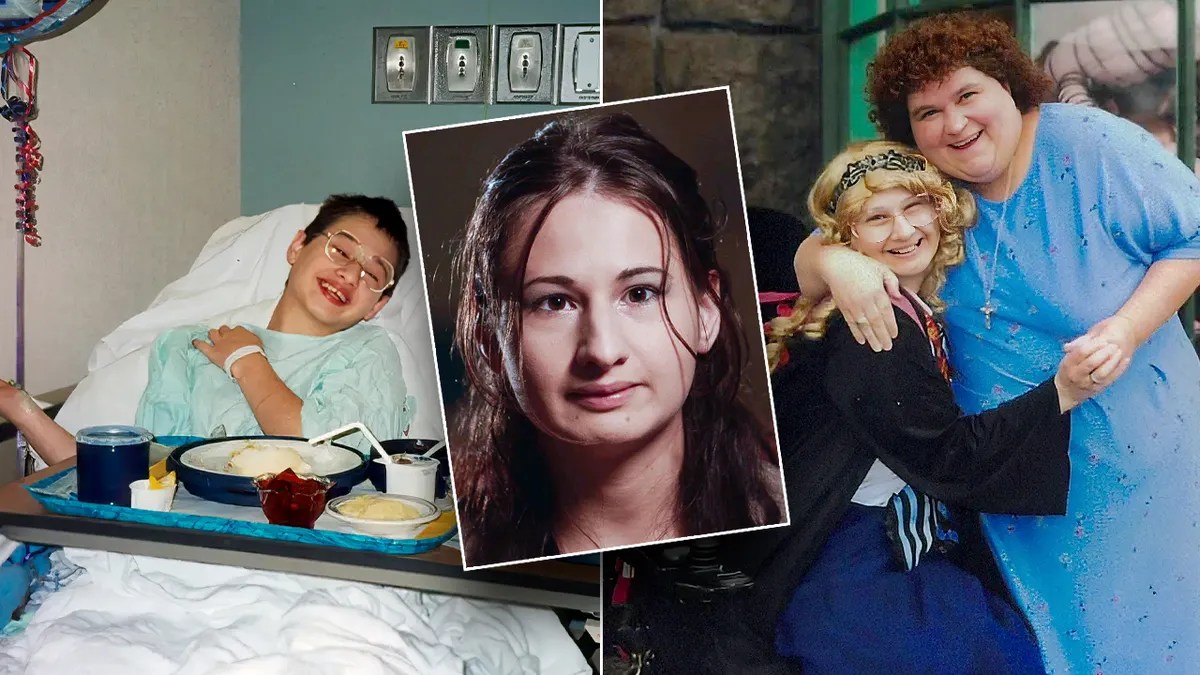
The "mom photos" were more than just personal keepsakes; they were critical instruments in Dee Dee's perpetuation of Munchausen syndrome by proxy (now referred to as Factitious Disorder Imposed on Another, or Medical Child Abuse). Each image contributed to a visual lexicon of victimhood and chronic illness. Photos of Gypsy with feeding tubes, oxygen masks, or undergoing medical procedures were regularly posted on social media platforms, drawing an outpouring of support, donations, and even granting the family various charitable benefits, including a new home and trips to Disney World. The visual evidence created an undeniable "proof" in the eyes of the public, reinforcing the fabricated illnesses and solidifying Dee Dee's role as a heroic, self-sacrificing mother. The consistency of these images, despite the ever-changing list of Gypsy's supposed ailments, was key to maintaining the illusion. Any subtle incongruities in Gypsy's appearance or behavior, often masked by her mother's stern control, were easily dismissed by an empathetic public viewing through the lens of Dee Dee's compelling narrative.