Editorial Note: This article is written based on topic research and editorial review.
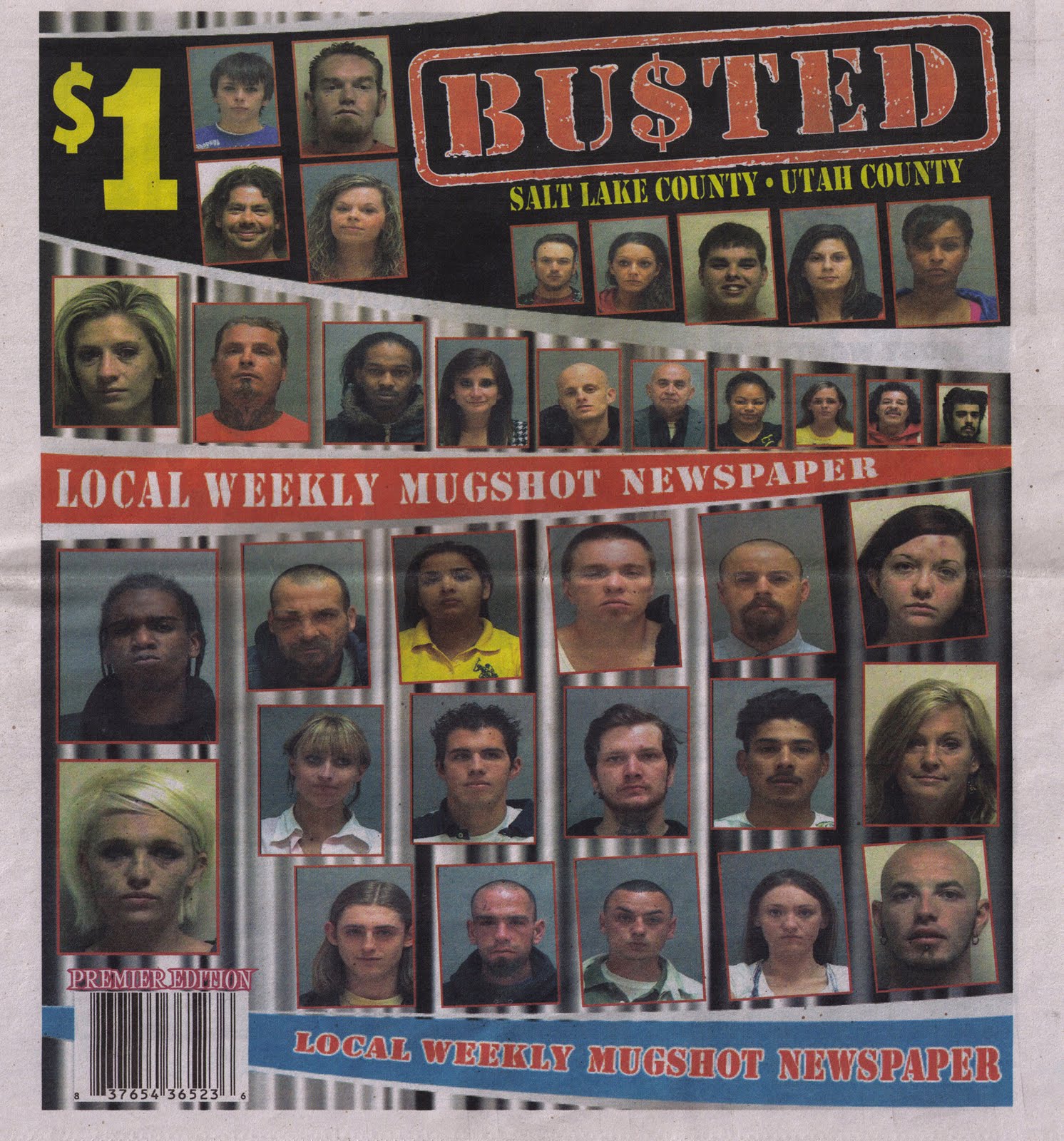
In an era characterized by rapid information dissemination and ever-present digital channels, the phrase "busted news the unbelievable story you have to read" encapsulates a significant challenge for contemporary media landscapes. It speaks to a peculiar paradox: narratives that captivate precisely because of their extraordinary nature, yet often prove to be misleading or entirely fabricated upon closer examination. This phenomenon compels an inquiry into the mechanics of sensational reporting, the public's engagement with such content, and the subsequent processes of fact-checking and correction that define modern journalism.
Editor's Note: Published on July 19, 2024. This article explores the facts and social context surrounding "busted news the unbelievable story you have to read".
Dissecting the 'Unbelievable'
What makes a story "unbelievable" often lies in its departure from established facts, scientific understanding, or commonly accepted social norms. These narratives frequently leverage confirmation bias, appealing to pre-existing beliefs or anxieties within specific audience segments. The language employed is typically hyperbolic, declarative, and designed to evoke a sense of urgency or alarm. Verification, in many instances, is an afterthought, if considered at all, as the primary objective becomes the generation of clicks, shares, and comments.