Editorial Note: This article is written based on topic research and editorial review.
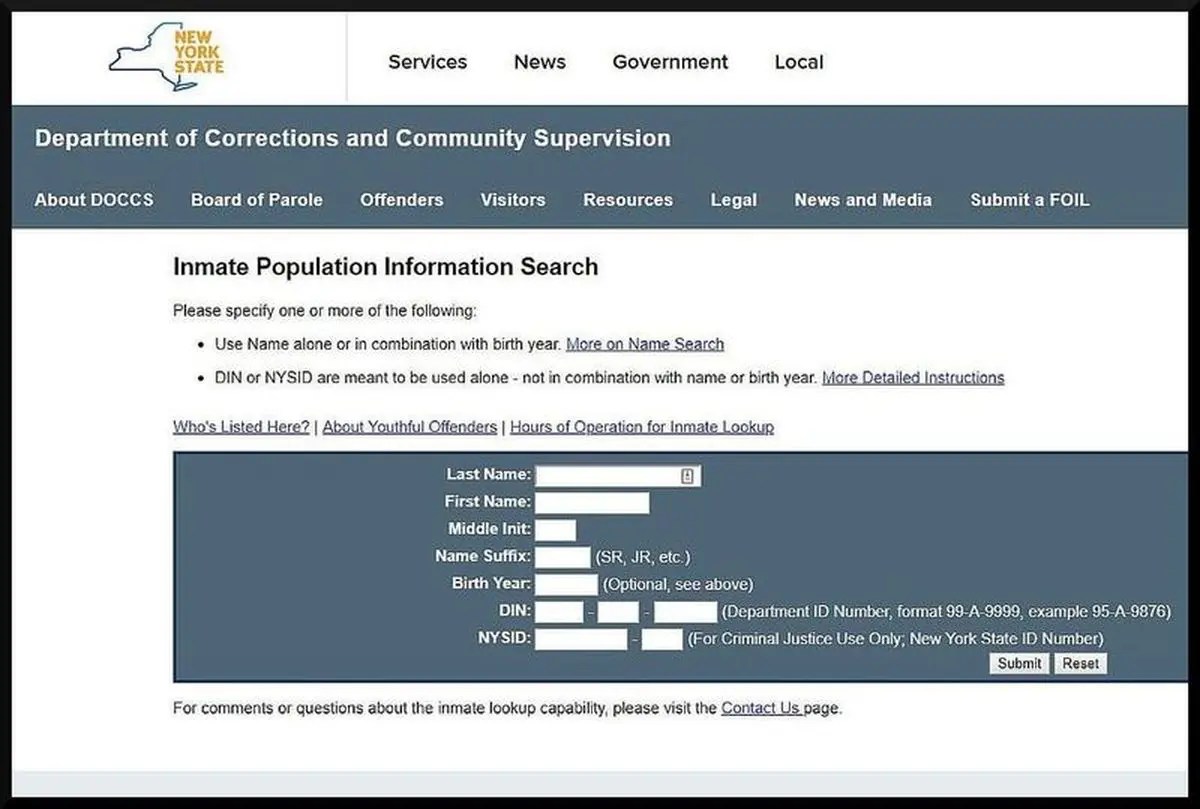
Accessing records for individuals within the New York State correctional system often yields foundational details such as current facility assignment and general charges. However, a wealth of often overlooked particulars exists, frequently eluding those who do not delve beyond surface-level search results. These less obvious details can include precise distinctions between various release eligibility dates (e.g., parole eligibility versus conditional release or maximum expiration dates), the specific court of jurisdiction that handled particular charges, or the nuanced history of an individual's transfers between different state correctional facilities. Such intricate data, while sometimes accessible, requires a deeper understanding of the system's structure and the search parameters available through official channels.
The understanding and utilization of these deeper insights hold significant value across various contexts. For legal professionals, precise release dates and facility transfer histories are critical for case management and client advocacy. Family members and friends benefit from a comprehensive view for planning visits, preparing for release, or understanding the specifics of an individual's incarceration journey. Victims' advocates can leverage this detailed information to track offender status accurately, enhancing safety planning and notification processes. Furthermore, researchers and journalists can employ these granular data points to conduct more thorough analyses of correctional patterns and policy impacts. Gaining access to and interpreting this expanded set of data fosters more informed decision-making, mitigates potential misunderstandings, and contributes to a more accurate overall comprehension of an individual's status within the New York State Department of Corrections and Community Supervision.
This introductory exploration sets the stage for a comprehensive examination of these specific categories of information. Subsequent sections will delineate the types of data often overlooked, provide guidance on effective search strategies, and offer methods for interpreting the findings to maximize the utility and accuracy of New York correctional record investigations.
Concluding Insights on New York State Inmate Information
The comprehensive exploration of information pertaining to individuals within the New York State correctional system reveals that reliance on surface-level lookup tools often leads to an incomplete and potentially misleading understanding. Beyond the readily accessible data such as current facility and general offense type, a substantial body of critical information frequently remains overlooked. This includes the nuanced distinctions between various release eligibility dates, the precise court of jurisdiction for convictions, detailed transfer histories between facilities, and the granular specifics of penal law citations and sentence structures. The previous discussions underscored the significant value of these deeper insights for legal professionals, family members, victim advocates, and researchers alike, enabling more informed decision-making and a more accurate engagement with the complexities of the correctional system.
Accessing these often-missed details necessitates moving beyond passive inquiry to proactive investigation, utilizing specific strategies to deconstruct available data and, when appropriate, pursuing direct inquiries through official channels. The call to action is therefore one of meticulous diligence and a commitment to systemic understanding. A thorough comprehension of an individual's status within the New York State Department of Corrections and Community Supervision is not merely an academic exercise; it is fundamental to advocating effectively, planning responsibly, and fostering a more transparent and just interaction with the correctional framework. The pursuit of this complete information is essential for ensuring accuracy, mitigating misunderstandings, and contributing to a more comprehensive societal understanding of incarceration in New York State.